One time, while I was at Mass, the presiding priest gave an outstanding homily that indirectly, yet coincidentally, fit with the Trinitarian controversy in the fourth century. That is, the homily’s main message (largely based on the Mass readings) was we should recognize and fully embrace that we are *children* of God: we are His…
How Augustine helped the Early Catholic Church Unify Against the Donatist and Pelagian Movements
One thing is for certain about the history of Christianity: There has been no shortage of movements – all the way up to today – that have staked their claim in having the entire truth of Christian belief and practice. The first five centuries alone were a hot mess of various Christian movements locking horns…
Martyrdom and Asceticism in the Early Church
My mind almost immediately transforms into an ongoing spider web of thoughts every time I plunge deep into early Christianity and Church history. My latest web of connecting dots between various movements, church influencers, and early Christian practices now includes martyrdom, asceticism, and what constitutes a devoted Christian life. I will start with a Bishop…
Theology Bits: Greek Philosophy, the Logos, and the Second Century Catholic Church
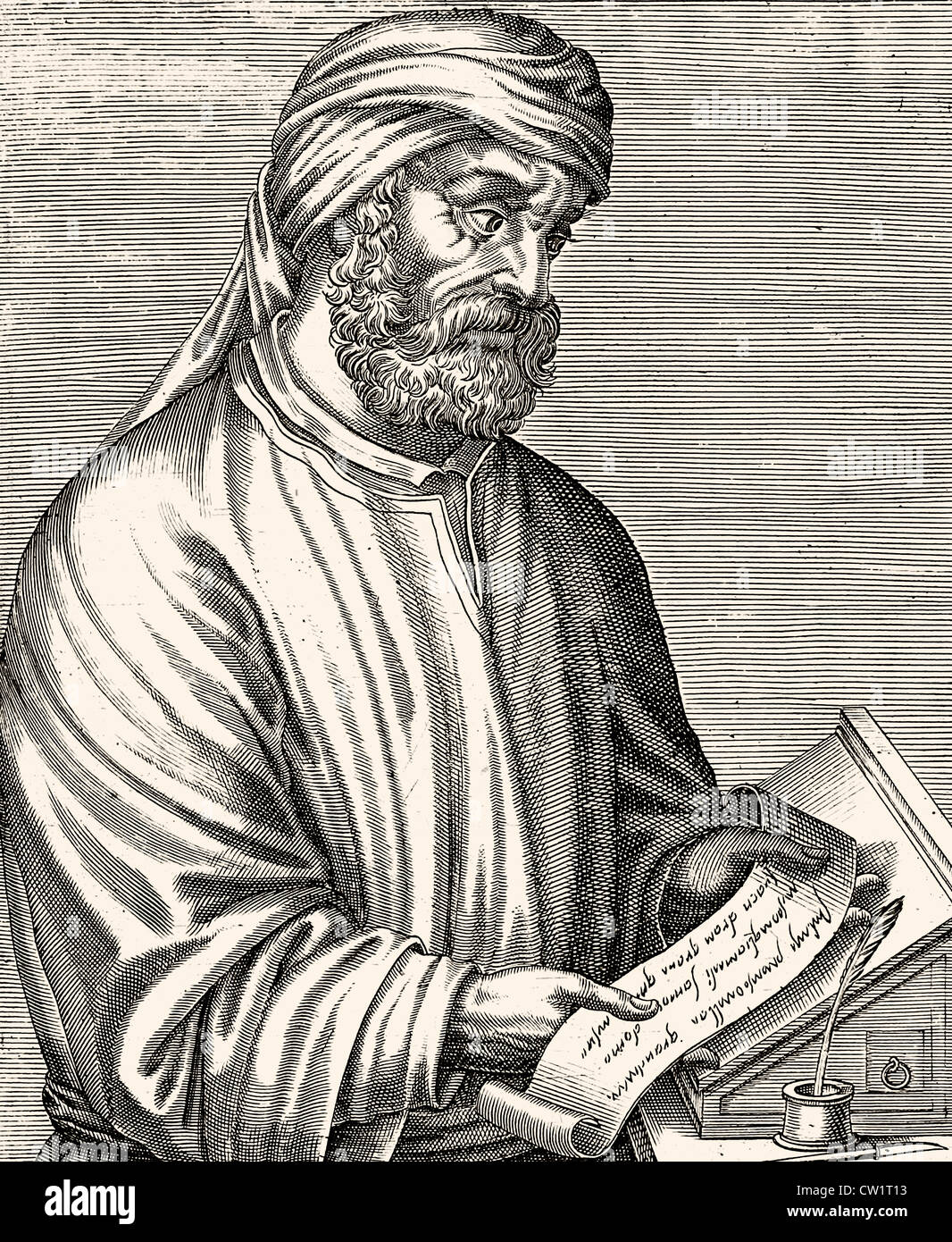
Awhile back, a person interested in Catholicism/Christianity asked me to explain the Trinity. This subject can be like getting hit with a piercing brain freeze after taking a swig or bite of something ice cold. And not that I claim to be a master at explaining such an abstract topic; rather studying Tertullian, Thomas Aquinas,…
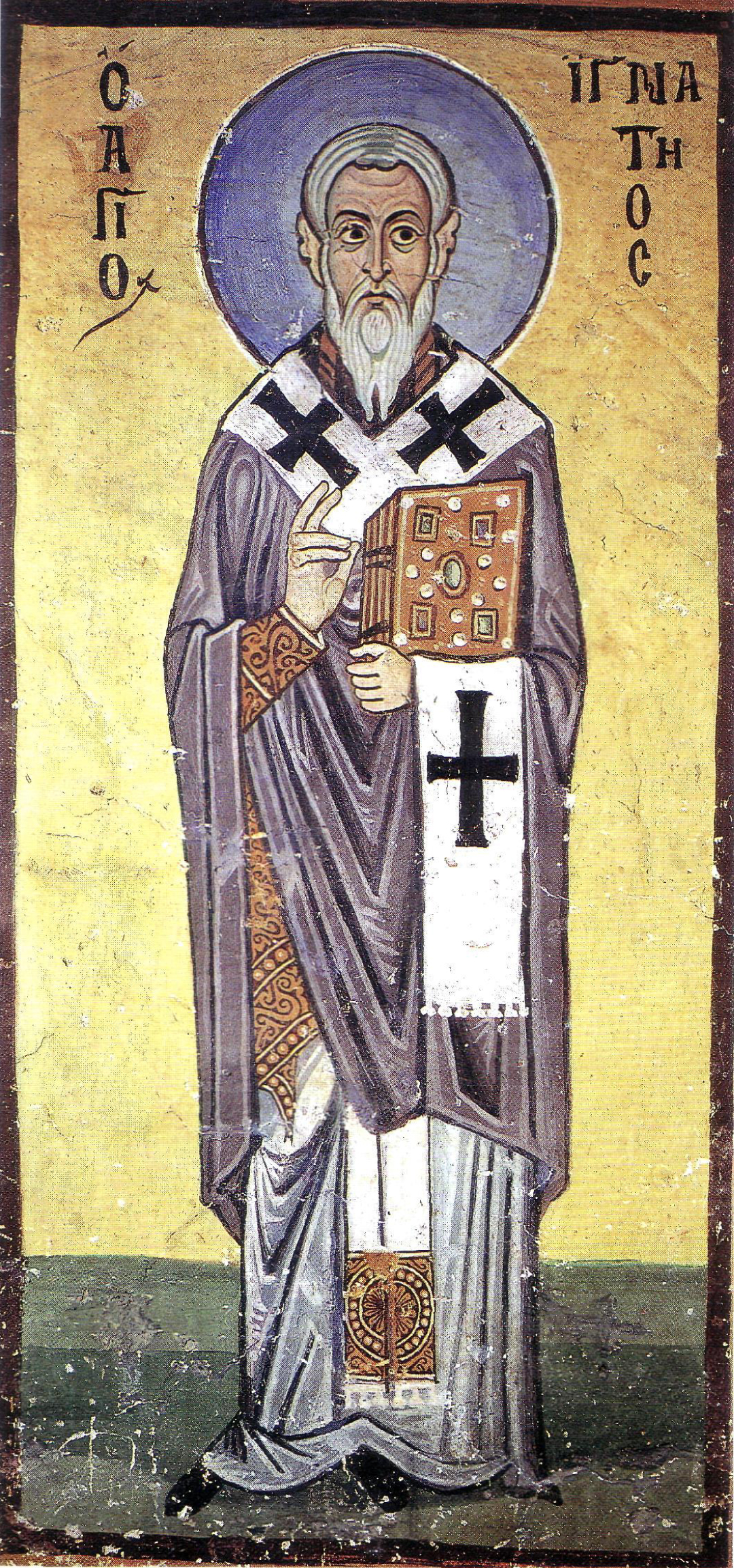
Theology Bits: what Ignatius’ Letter to the Magnesians tells us about the Early Catholic Church
In Luke 16:1-13, Jesus says to his disciples that “no man can serve two masters…you cannot serve both God and mammon” (Luke 16:13). Although this blog post is not specifically about the above passage, it is a good seque into Ignatius’ letter to the Magnesians. That is, Ignatius’ comments about how Christians are to respect…
What about the Gospel of Thomas?
As a gospel that had disappeared from ancient existence, but then reappeared in 1945, when it was unearthed with a collection of other scrolls (Irvin and Sunquist 57), the Gospel of Thomas is enshrouded in layers of mystery. This mystery began in the second century: As the Church’s evangelization efforts and liturgy format were primarily…
Gnosticism: the “new age” / “spiritual-but-not-religious” movement in Early Christianity
Here in the West, it’s been said that the pronoun *YOU* is the most powerful word in the English language. The main reason is that “you” is often used in a more personal, direct, intimate, or commanding way when compared to other pronouns, such as he or she, which tend to me used more indirectly…
Parallels between I Peter and Hebrews and What They Reveal About other Disputed Letters
Could the letter to the Hebrews could be a gateway to other disputed letters in the NT, including I Peter, Jude, and II Peter? Let’s start specifically with I Peter. And why 1 Peter? Because although the author of Hebrews is considered anonymous (Brown 693), while the author of 1 Peter is most likely pseudonymous…
Pseudonymity in the Ancient World and How it Influenced II Thessalonians versus I Thessalonians
First, a disclaimer: This article was originally going focus on pseudonymity in the ancient world, while using I Thessalonians and II Thessalonians as examples. However, there are apparent eschatological differences between II Thess and I Thess – and that Paul himself possibly did not write II Thess — this means bridging any connections between pseudonymity…
To Be or Not To Be — Raptured?
Borrowing from Hamlet’s famous line, “To be or not to be?”, reading Paul’s approach to the resurrection of the dead creates another dilemma: To be or not to be – raptured? For instance, take Paul’s first letter to the Thessalonians, covered in Module 5 in this course: In 1 Thess 4:13-18, Paul is preparing the Thessalonians…